
The Power of Skin-to-Skin: Nurturing Bonds & Boosting Breastmilk
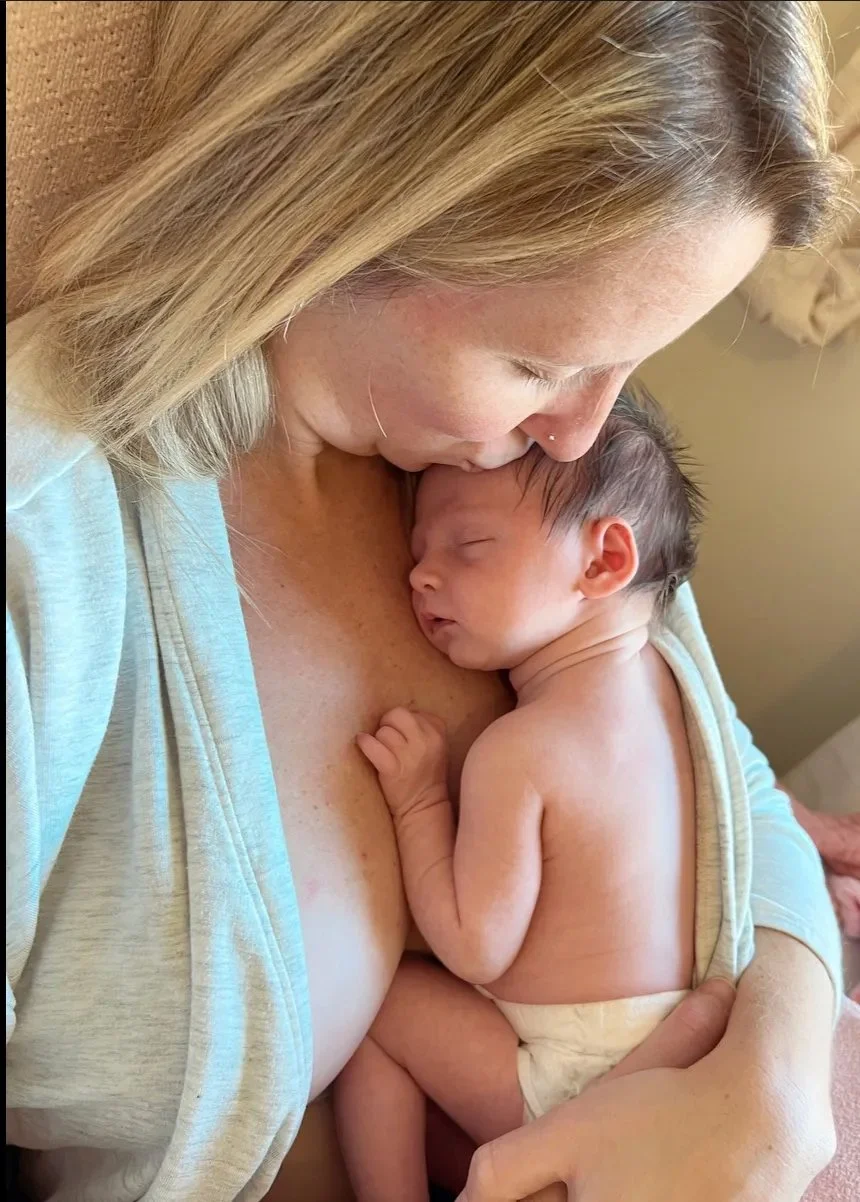
It's a practice deeply rooted in human instinct and biology, where the warmth of a parent's skin against a newborn's serves as a conduit for a myriad of benefits, spanning from fostering crucial emotional bonds to facilitating optimal breastfeeding. In this blog post, we'll delve into the remarkable importance of skin-to-skin contact, shedding light on its profound impact on both the newborn and the breastfeeding journey.
From the moment a baby enters the world, they crave the comfort and reassurance of being close to their caregiver. Skin-to-skin contact provides the perfect opportunity to satisfy this innate need for closeness. As the baby nestles against the parent's bare chest, they are enveloped in a familiar scent, the rhythmic beat of a heartbeat, and the gentle warmth that mimics the womb environment. These sensory stimuli work synergistically to create a sense of security and belonging, fostering a deep emotional connection between parent and child from the very beginning.
* Skin-to-skin contact plays a pivotal role in regulating a newborn's body temperature. Immediately after birth, babies undergo a delicate transition as they adapt to the external environment. The warmth provided by the parent's skin acts as a natural incubator, helping to stabilize the baby's body temperature and prevent hypothermia. This intimate contact serves as nature's first and most effective method of ensuring the baby's comfort and well-being in those critical early moments of life.
*Studies have shown that the sensory input received during skin-to-skin contact triggers the release of oxytocin, often referred to as the "love hormone." This hormone not only strengthens the bond between parent and child but also has neuroprotective effects, promoting healthy brain development in the newborn. The enriched environment of warmth, touch, and maternal scent stimulates neural pathways, laying the foundation for optimal cognitive and emotional functioning in the future.
*One of the most compelling reasons to prioritize skin-to-skin contact immediately after birth is its profound impact on breastfeeding initiation and success. The close proximity between mother and baby stimulates a cascade of physiological responses that are essential for establishing breastfeeding. The baby's instinctual rooting reflex is triggered, guiding them to seek out the mother's breast. Meanwhile, the mother's body responds by releasing prolactin and oxytocin, hormones crucial for milk production and let-down.
Furthermore, skin-to-skin contact promotes early breastfeeding behaviors, such as latching onto the breast and suckling effectively. Research has consistently shown that babies who experience uninterrupted skin-to-skin contact in the first hours after birth are more likely to breastfeed exclusively and continue breastfeeding for longer durations. This invaluable foundation not only provides the baby with optimal nutrition but also confers a host of health benefits, including protection against infections, allergies, and chronic diseases.
In addition to its profound effects on the baby, skin-to-skin contact also empowers parents, fostering confidence and strengthening their parental instincts. The act of holding their newborn against their skin allows parents to tune into their baby's cues and respond intuitively to their needs. This reciprocal interaction forms the basis of secure attachment, laying the groundwork for a lifetime of healthy relationships.
The practice of skin-to-skin contact emerges as a thread of profound significance, weaving together the intricate bonds between parent and child while nurturing the seeds of optimal health and development. From regulating body temperature to promoting breastfeeding success and fostering emotional connection, its impact resonates far beyond the immediate postpartum period, shaping the trajectory of a child's life. As we celebrate the miracle of birth, let us recognize and embrace the power of this simple yet transformative practice, honoring the profound beauty of human connection from the very first breath.
Joanne Gagnon RN, IBCLC, NTMNC